
ITC was the biggest gainer in the Sensex pack, rallying 3.14 per cent. Maruti Suzuki, Axis Bank, Hero MotoCorp, Vedanta, Asian Paints, M&M, HUL, Bajaj Auto and PowerGrid were among the other top gainers, rising up to 2.13 per cent.

Notwithstanding concerns about lofty valuations, smallcaps recorded their most significant monthly gain in nearly three years in November. The National Stock Exchange Nifty Smallcap 100 finished the month with a 12 per cent gain, the most since February 2021 when it rose by 12.2 per cent. After declining by 4.1 per cent in the preceding month, the Nifty Midcap 100 rose by 10.4 per cent, the most since July 2022.
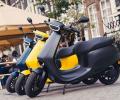
Even though electric two wheeler (e2W) companies saw a slight recovery in July of 12 per cent with 49,518 registrations - after a wash out in June because the government slashed the FAME 2 subsidy by a third - registrations are still lower for the second month in a row compared to April FY24. The slow pace has raised doubts about whether the registrations will reach anywhere near either Niti Aayog's ambitious target of 2.4 million vehicles in FY24 or whether they will be closer to the trimmed down industry expectation of around one million. In June, e2W registrations plunged to a mere 44,253, the worst month in more than a year, as companies hiked scooter prices.

To come up with first EV by 2025, expects market to grow two to three-fold in the next ten years.
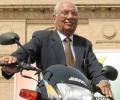
Brijmohan Lall Munjal was a perfectionist, who empathised with people who worked for him.

Other losers included Vedanta, Tata Steel, NTPC, ONGC, L&T, M&M, Coal India, Maruti, PowerGrid, Axis Bank, ITC and HDFC, dropping up to 5.75 per cent. On the other hand, Kotak Bank, Bharti Airtel, HCL Tech, Bajaj Finance and Hero MotoCorp rose up to 0.95 per cent.
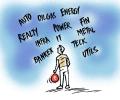
Bajaj Finance was the biggest loser in the Sensex pack, tanking up to 8 per cent, followed by Hero MotoCorp, IndusInd Bank, Maruti and HCL Tech. Axis Bank, ITC, NTPC and M&M were among the top gainers.
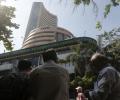
Top gainers in the Sensex pack included Bharti Airtel, Tata Motors, IndusInd Bank, Kotak Bank, Hero MotoCorp, Asian Paints and PowerGrid, which rose up to 2.53 per cent.
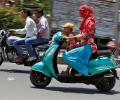
After lagging behind other segments in the automotive (auto) space over the past few years, two-wheelers are expected to reverse their volume underperformance. After witnessing a 36.3 per cent volume decline over the 2018-19 (FY19) through 2021-22 (FY22) periods, the sector staged a recovery in 2022-23 (FY23), with volumes rising 17 per cent. While volumes are still a quarter lower than the FY19 peak of 21 million units, a double-digit growth trajectory is expected to prolong.

The rally in the equity markets in the second half of 2023 has led to a sharp surge in the cutoff for stocks to qualify as largecaps and midcaps. On the latest list put out by the Association of Mutual Funds in India (Amfi), the smallest largecap stock now has a market capitalisation (m-cap) of Rs 67,000 crore, 35 per cent higher than in July 2023. In the case of midcaps, the cutoff has surged 26 per cent to Rs 22,000 crore.

However, notable absentees from the expo will be Honda, Toyota, Ford, BMW, Audi, Lexus, Volvo and Jaguar Land Rover along with two-wheeler majors Hero MotoCorp, Bajaj Auto and TVS Motor Co.

This is not the first time Reliance has eyed a stake in the club.
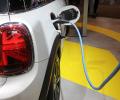
Electric vehicle retail sales in the country witnessed over three-fold jump last fiscal with two-wheeler offtake leading the segment, according to data compiled by automobile dealers' body FADA. Total electric vehicle (EV) retails reached 4,29,217 units in 2021-22, a rise of three-fold from 1,34,821 units in the financial year 2020-21, the industry body said. Total EV sales had stood at 1,68,300 units in the 2019-20 fiscal, it noted.

NTPC was the top gainer, spurting 4.28 per cent. Other winners were Bajaj Auto, Bajaj Finance, Sun Pharma, ITC, Hero MotoCorp, TCS, Yes Bank, HDFC, HDFC Bank and SBI, rising up to 1.38 per cent.
India's incumbent two-wheeler players, led by TVS Motors, are flexing their muscles, having crossed the registration of 10,000 electric two-wheelers for the first time in November this year, according to data from Vahan, the website of the ministry of road transport and highways. The two key incumbent players, TVS Motors and Bajaj Auto, now account for around 15 per cent share of registrations in the month of November. The number will only go up with Hero MotoCorp now joining the bandwagon with its Vida range of electric scooters.
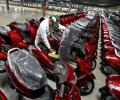
Navratri and Onam saw flat sales, but industry hopes to turn the corner with a cracker of a Diwali.

Markets extended gains for the fourth consecutive day tracking gains in banks, capital goods and oil and gas majors.

Top losers in the Sensex pack included SBI, HDFC twins, Bajaj Auto, ONGC and Tata Steel, falling up to 2.49 per cent.

Automaker Toyota Kirloskar Motor (TKM) on Tuesday said it will increase prices of its entire model range by up to 2 per cent with effect from October 1 in order to partially offset the impact of rise in input costs. The company, which is a joint venture between Japan's Toyota Motor Company and Kirloskar Group, sells a range of vehicles including Innova Crysta and Fortuner in the domestic market. The company will realign the prices of its models, with effect from October 1, 2021, TKM said in a statement.

Automobile retail sales in India rose 11 per cent in September as better supplies from manufacturers enabled dealers to ramp up customer deliveries amid the ongoing festive period, Federation Of Automobile Dealers Associations said on Tuesday. Last month, total retail sales stood at 14,64,001 units as compared to 13,19,647 units in September 2021. FADA noted that October is expected to witness even better overall sales due to the festive season further gathering steam.
The biggest gainers in the Sensex pack in Friday's session were Yes Bank, Bharti Airtel, Tata Motors, Vedanta, SBI and Axis Bank, spurting up to 3.05 per cent. The losers included HCL Tech, TCS, Infosys, Hero MotoCorp, IndusInd Bank and Sun Pharma, falling up to 1.55 per cent.
In the Sensex kitty, Ultratech Cement was the top gainer, rising 2.10 per cent, followed by HDFC Bank, Reliance Industries Sun Pharma, NTPC and Asian Paints.

Reflecting the woes of the Indian automobile industry, the country's car exports remained flat at 550,466 units in 2013-14, during which domestic sales fell for the second consecutive year.

The rally was mainly driven by financial, consumer durables, auto and oil and gas stocks.

Even as India overtakes Japan in automotive sales in 2022, moving to third place for the first time, oddly enough the country's biggest motor show is going to see some big hitters give it a clear miss. Some prominent automotive brands have cited high event costs, negligible returns on investment, poor event management, and unfavourable location as reasons for their reluctance to participate. Major pure-play electric two-wheelers, too, are riding past this year's edition of the Auto Expo.

Chhetri is a star striker for both India and Bengaluru FC.
Other losers included HCL Tech, Yes Bank, IndusInd Bank, TCS, ONGC, Bajaj Finance, PowerGrid, Vedanta, Asian Paints, NTPC and Hero MotoCorp, which shed up to 4.07 per cent.
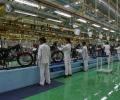
TVS Motor Company has been one of the best-performing two-wheeler stocks in the current financial year (FY24), enriching investors with gains of 24 per cent. Among listed two-wheeler stocks, only Hero MotoCorp has done better in this period. New launches, market share gains, steady margins and expectations that its performance will continue in FY24 are expected to support TVS Motor's stock.
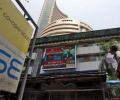
The broader NSE Nifty soared 133.10 points, or 1.22 per cent, to end at 11,573.30.

The broader NSE Nifty too ended 98.30 points, or 0.89 per cent, down at 10,918.70.

M&M was the top laggard in the Sensex pack, cracking over 7 per cent, after the home-grown auto major on Saturday reported 73 per cent decline in consolidated quarterly net profit.
In the Sensex pack, Sun Pharma was the biggest gainer, rallying 4.48 per cent, followed by Bajaj Auto, Tata Motors, Coal India, Hero MotoCorp, Maruti and HCL Tech, rising up to 3.01 per cent. While, RIL, PowerGrid, HDFC, L&T, IndusInd Bank, NTPC and Bajaj Finance declined up to 1.50 per cent.

Nestle India was the top gainer in the Sensex pack, rising 3.23 per cent, followed by Kotak Bank, HUL, Bharti Airtel, RIL, TCS, PowerGrid and Titan.

The two-wheeler segment is, however, still far from its H1FY19 peak of 9.7 million units
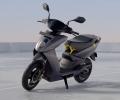
If you thought electric scooters have caught the fancy of only people in the metros, think again. According to data from electric two-wheeler maker, Ather Energy, 54 per cent of its sales of scooters, starting from Rs 1.2 lakh, come from Tier 2 and Tier 3 cities. Based on sales per lakh population, the top five cities for the company are Calicut, followed by Kochi, Kolaphur, Trivandrum and Pune.
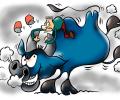
IndusInd Bank was the top gainer in the Sensex pack, rising 2.68 per cent. ICICI Bank gained 2.68 per cent at close. Yes Bank, Tata Steel, SBI, TCS, L&T and Infosys also advanced.
The broader NSE Nifty too advanced 50.70 points, or 0.43 per cent, to close at 11,941.30.
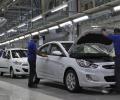
Automotive retail sales saw a 14 per cent rise in March on a year-on-year (YoY) basis, according to data released by the Federation of Automobile Dealers Associations (FADA). For the whole of financial year 2022-23 (FY23), sales grew 21 per cent YoY. For both March and the financial year, all categories, except for tractors, and including two-wheelers, three-wheelers, passenger vehicles (PVs), and commercial vehicles (CVs), posted double-digit growth. However, the total retail sales of 22.1 million for the financial year were still 12 per cent lower than the pre-Covid (FY20) level of 25 million, owing to an 18 per cent dip in the two-wheeler segment.

The key beneficiary of this expansion in the motorcycle market happens to be Bajaj Auto.

On the Sensex chart, IndusInd bank, M&M, Reliance Industries, Tata Steel and Bharti Airtel emerged as the top losers.
